Beginner’s Guide to Ecommerce SEO
This ecommerce SEO guide will walk you through everything you need to know to start improving your search visibility, attracting more organic traffic, and ultimately driving more sales.
Whether you’re launching a new store or looking to improve an existing one, understanding how search engine optimisation works for ecommerce websites is essential. Unlike traditional SEO, ecommerce SEO comes with its own set of challenges, from managing thousands of product pages to handling duplicate content and site architecture. This beginner’s guide to ecommerce SEO breaks everything down into manageable steps which anyone can follow.
Why Ecommerce SEO Matters for Your Online Store
Before diving into the details, it’s worth understanding why SEO should be a priority for your ecommerce business. When potential customers search for products online, they typically start with Google. If your products do not appear in those search results, you are missing out on valuable traffic which could be converted into sales.
Paid advertising certainly has its place, and many successful online retailers combine paid shopping ads with organic search strategies. However, organic traffic from SEO provides long term value. Once you rank well for relevant search terms, that traffic continues to flow without the ongoing cost per click that paid campaigns require. On the other hand, paid search advertising may provide more immediate results.
Thus, the key benefit of investing in SEO for ecommerce is sustainability. While it takes time and effort to build your organic presence, the results compound over time. A well optimised product page can continue generating traffic and sales for years, making SEO one of the most cost effective marketing channels available to online retailers.
Understanding How Search Engines View Ecommerce Sites
Search engines like Google use automated bots to discover and index web pages. For ecommerce sites, this process presents unique challenges. Your site might have hundreds or even thousands of product pages, category pages, and filtered views. Google needs to understand the structure of your site, determine which pages are most important, and avoid getting confused by duplicate or thin content.
The foundation of any impactful ecommerce SEO guide starts with helping search engines properly crawl and index your site. If Google cannot find your pages or struggles to understand their content, no amount of keyword optimisation will help you rank.
Think of your ecommerce site like a physical shop. Your homepage is the entrance, your category pages are the different departments, and your product pages are the individual items on the shelves. Just as a well organised shop helps customers find what they need, a well structured website helps search engines understand and rank your content.
Site Architecture and Navigation
Getting your site structure right is one of the most important steps in ecommerce SEO for beginners. A logical, hierarchical structure makes it easier for both users and search engines to navigate your site.
The general principle is to keep your most important pages within three clicks of the homepage. This means your category pages should link directly from your main navigation, and product pages should be accessible from their relevant category pages. Deep pages that require many clicks to reach tend to receive less authority from search engines and may be crawled less frequently.
Your URL structure should reflect this hierarchy. For example, a clear URL like yourstore.com/category/subcategory/product-name tells both users and search engines exactly where they are on your site. Avoid overly complex URLs with random parameters and numbers, as these are harder to understand and less likely to be clicked in search results.
Internal linking is another crucial element. When you link from one page to another within your site, you pass authority between those pages and help search engines discover new content. Make sure your category pages link to relevant products, and consider adding related product links on individual product pages to help visitors and search engines explore your catalogue.
Keyword Research for Ecommerce
Keyword research forms the backbone of any ecommerce SEO strategy. Before you can optimise your pages, you need to understand what terms your potential customers are actually searching for.
Ecommerce keyword research differs slightly from traditional keyword research. You are typically targeting two main types of search intent: transactional queries where someone wants to buy something, and informational queries where someone is researching before making a purchase.
For product pages, focus on transactional keywords that include terms like buy, price, cheap, best, or specific product names and model numbers. These searchers have high purchase intent and are more likely to convert.
For category pages, target broader terms that describe your product range. These might have higher search volumes but also more competition. The key is finding the right balance between search volume and competition level for your site’s current authority.
Do not forget long-tail keywords. These are longer, more specific phrases which typically have lower search volumes but higher conversion rates. Someone searching for “size 10 waterproof hiking boots for women” knows exactly what they want and is closer to making a purchase than someone simply searching for “hiking boots”.
When conducting your research, look at what your competitors are ranking for. Tools like Ahrefs, SEMrush, or even free options like Google’s Keyword Planner can help you identify opportunities. Pay attention to the search intent behind each keyword and match it to the appropriate page type on your site.
Optimising Product Pages
Product pages are the heart of any ecommerce site, and optimising them properly is essential for ranking in search results. This section of our seo guide for ecommerce websites focuses on the key elements you need to get right.
Your product titles should include your primary keyword naturally while remaining appealing to human readers. Avoid keyword stuffing, which is the practice of cramming too many keywords into your titles. Instead, write titles that accurately describe your product and include the terms people actually search for.
Product descriptions present a significant opportunity that many online stores miss. Rather than using manufacturer descriptions which appear on dozens of other websites, write unique content that describes your products in detail. Include relevant keywords naturally, address common customer questions. Highlight the benefits (USPs) rather than just listing features.
Images play a crucial role in ecommerce, and they also impact SEO. Use descriptive file names for your product images rather than generic strings of numbers. Add alt text which describes what each image shows, as this helps search engines understand your visual content and improves accessibility for users with screen readers.
Technical elements matter too. Ensure your product pages load quickly, work well on mobile devices, and use structured data markup to help search engines understand your product information. Schema markup can enable rich results in Google, displaying prices, availability, and review ratings directly in the search results.
Category Page Optimisation
While product pages target specific items, category pages often attract higher volumes of traffic by targeting broader terms. Optimising these pages requires a slightly different approach.
Many ecommerce sites make the mistake of leaving category pages as simple lists of products with no additional content. This gives search engines very little to work with and makes it harder to rank for competitive terms.
Consider adding introductory content to your category pages which explains what the categories contain and helps users find what they need. This content should be helpful and relevant, not just a block of text stuffed with keywords. A paragraph or two above your product listings can make a significant difference to your rankings.
Your category page titles and meta descriptions should target the main keyword for that category while accurately describing what users will find. Make sure your category pages are easy to navigate, with clear filtering options and logical subcategories where appropriate.
Internal linking from category pages to their subcategories and top products helps distribute authority throughout your site. Similarly, linking between related categories can help users discover more of your range and passes relevance signals to search engines.
Technical SEO Fundamentals for Ecommerce
Technical SEO is the behind-the-scenes elements that affect how search engines crawl and index your site. For ecommerce sites, getting these fundamentals right is particularly important due to the complex nature of most online stores.
Site speed is a ranking factor and significantly impacts user experience. Slow pages lead to higher bounce rates and lower conversion rates. Optimise your images, use a content delivery network, and work with your developers to minimise unnecessary code that slows down your pages.
Mobile friendliness is no longer optional. Google uses mobile first indexing, which means it primarily uses the mobile version of your site for ranking and indexing. Ensure your site provides an excellent experience on smartphones and tablets, with easy navigation, readable text, and touch friendly buttons.
Crawlability refers to how easily search engine bots can access and navigate your site. Use your robots.txt file to guide crawlers to important pages and away from areas which do not need indexing, such as user account pages or internal search results. Create and submit an XML sitemap that lists your important pages and helps search engines discover new content.
Duplicate content is a common issue for ecommerce sites. The same product might appear under multiple categories, or filtering and sorting options might create dozens of URLs for essentially the same content. Use canonical tags to tell search engines which version of a page is the master copy, and implement proper handling of parameters in Google Search Console.
For sites looking to master these technical aspects, working with a specialist technical SEO agency can help to identify and resolve issues that might be holding back your rankings. We here at Anicca are one such potential partner, so get in contact here.
Content Strategy for Ecommerce Sites
Beyond product and category pages, a broader content strategy can help your ecommerce site attract more organic traffic and build authority in your niche.
Blog content allows you to target informational keywords that your product pages cannot capture. Someone searching for “how to choose the right running shoe for your foot type” is not ready to buy yet, but they represent a potential future customer. By providing helpful content that answers their questions, you build trust and keep your brand in mind when they are ready to purchase.
Buying guides, comparison articles, and how to content all work well for ecommerce sites. These pages can attract links from other websites, building your domain authority and helping your commercial pages rank better.
User generated content like product reviews adds unique content to your product pages, helps with long tail rankings, and provides social proof which can improve conversion rates. Encourage customers to leave reviews and make it easy for them to do so.
Think about the questions your customers ask before, during, and after their purchase. Creating content that addresses these questions at each stage of the buying journey helps capture more search traffic and positions your brand as a helpful authority in your industry.
Building Links for Ecommerce Sites
Links from other websites remain one of the most important ranking factors. For ecommerce sites, building quality links can be challenging but is essential for competing in search results.
Creating valuable content that others want to reference is one of the most effective link building approaches. Original research, comprehensive guides, useful tools, or unique insights can all attract links naturally from journalists, bloggers, and other websites.
Digital PR involves getting your brand featured in online publications, which often includes links back to your site. Product launches, company news, expert commentary, and data-driven stories can all generate media coverage and links.
Supplier and manufacturer relationships may sometimes lead to link opportunities. If you are an authorised stockist, ask to be listed on the manufacturer’s website. Industry associations and trade bodies may also offer directory listings that include links.
Guest posting on relevant industry blogs, sponsoring events or charities, and creating shareable resources like infographics or calculators can all contribute to your link profile. The key is focusing on quality over quantity. A few links from authoritative, relevant websites are worth far more than dozens of links from low quality sources.
Measuring Your Ecommerce SEO Success
Implementing SEO strategies is only half the battle. You also need to track your progress and measure results to understand what is working and where to focus your efforts.
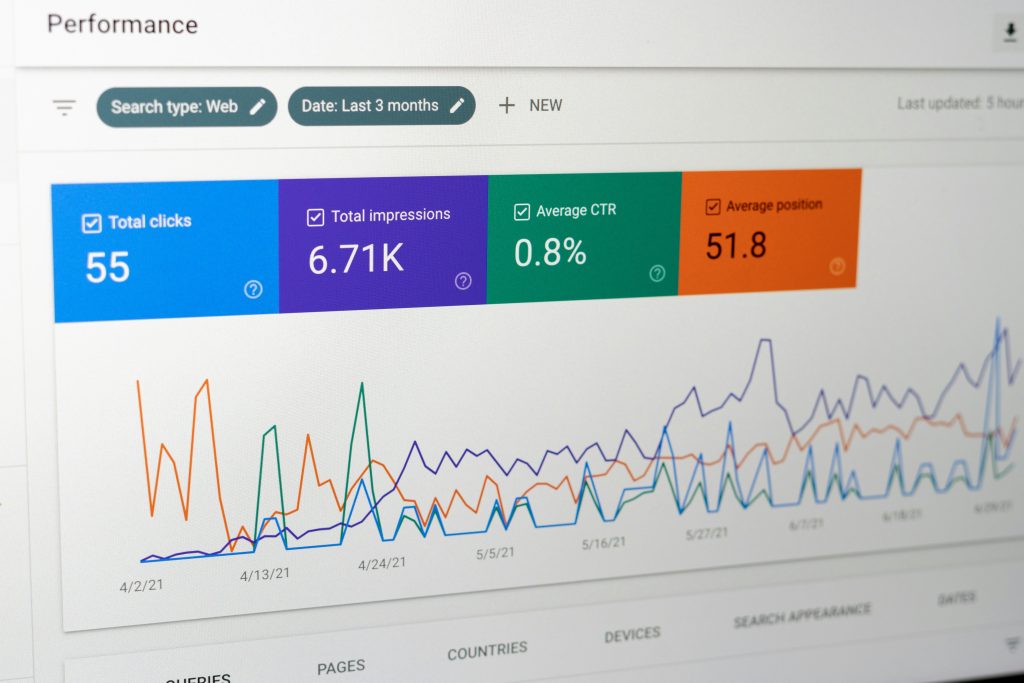
- Google Search Console is a free tool which shows you how your site performs in Google search. You can see which queries bring traffic to your site, your average rankings, click through rates, and any technical issues Google has detected. Make this your first port of call for understanding your organic search performance.
- Google Analytics helps you understand what happens after visitors arrive on your site. Track which organic landing pages drive the most revenue, identify pages with high bounce rates that might need improvement, and monitor your overall organic traffic trends.
- Rank tracking tools allow you to monitor your positions for important keywords over time. While rankings are not the ultimate measure of success, they provide useful insight into whether your optimisation efforts are having an impact.
- Set up ecommerce tracking in Google Analytics to connect your SEO efforts directly to revenue. This allows you to calculate the return on investment from your SEO activities and compare organic channel performance against paid advertising.
- Look beyond vanity metrics like total traffic and focus on metrics that connect to business outcomes. Organic revenue, conversion rate from organic visitors, and revenue per organic session tell you more about SEO success than traffic numbers alone.
Common Ecommerce SEO Mistakes to Avoid
Our SEO for ecommerce guide wouldn’t be complete, if we didn’t expand on some common pitfalls which could undermine your efforts.
Ignoring technical issues while focusing only on content is a frequent mistake. If search engines cannot properly crawl and index your site, even the best optimised content will not rank. Prioritise fixing technical foundations before investing heavily in content and links.
Using manufacturer descriptions on product pages creates duplicate content issues across the web. Invest time in writing unique descriptions, even if you need to tackle your most important products first and work through the catalogue gradually.
Neglecting mobile users costs you both rankings and sales. Test your site thoroughly on various devices and fix any usability issues that create friction for mobile shoppers.
Overlooking internal linking leaves authority stuck on your homepage rather than flowing to your commercial pages. Create a logical internal link structure that helps both users and search engines navigate your site.
Expecting instant results leads to frustration and potentially abandoning strategies too early. SEO is a long term investment which typically takes several months to show significant results. Stay consistent with your efforts and focus on sustainable improvements rather than quick fixes.
Getting Started with Your Ecommerce SEO Strategy
Having read through this impactful ecommerce SEO guide, you might feel overwhelmed by the number of tasks ahead. The key is to start with the fundamentals and build from there.
- Begin with a technical audit to identify any issues preventing search engines from properly crawling and indexing your site. Fix critical problems first, then move on to optimisation opportunities.
- Conduct keyword research to understand what your potential customers are searching for and map those keywords to appropriate pages on your site. Prioritise your highest value products and categories for initial optimisation efforts.
- Create a content plan that addresses gaps in your current coverage and targets valuable keywords throughout the customer journey. Balance commercial content with informational content that builds authority and attracts links.
- Implement a measurement framework so you can track progress and demonstrate the value of your SEO investment. Regular reporting helps you understand what is working and identify areas needing attention.
Working with an Ecommerce SEO Partner
This beginner’s guide to ecommerce SEO provides a solid foundation. However; many businesses find value in working with specialist partners who can accelerate their results and handle the technical complexity.
An experienced ecommerce SEO agency brings expertise developed across multiple clients and industries. They stay current with algorithm updates, have access to professional tools, and can dedicate focused time to your SEO strategy that internal teams often struggle to find.
Whether you choose to handle SEO in house or work with a partner, the principles covered in this guide remain the same. Focus on creating a technically sound, well structured site with high quality content that serves your customers’ needs. Build authority through valuable content and genuine link building. Measure your results and continuously improve.
SEO is not a one time project but an ongoing process of optimisation and refinement. The online retail landscape evolves constantly, and your SEO strategy needs to evolve with it. Start with the fundamentals, stay consistent with your efforts, and the results will follow.
If you’re interested in working with a partner to improve your online store’s rankings, get in touch with us here.