Google’s Continuous Core Updates, AI Search Partnerships, and PPC Changes: What Marketers Need to Know
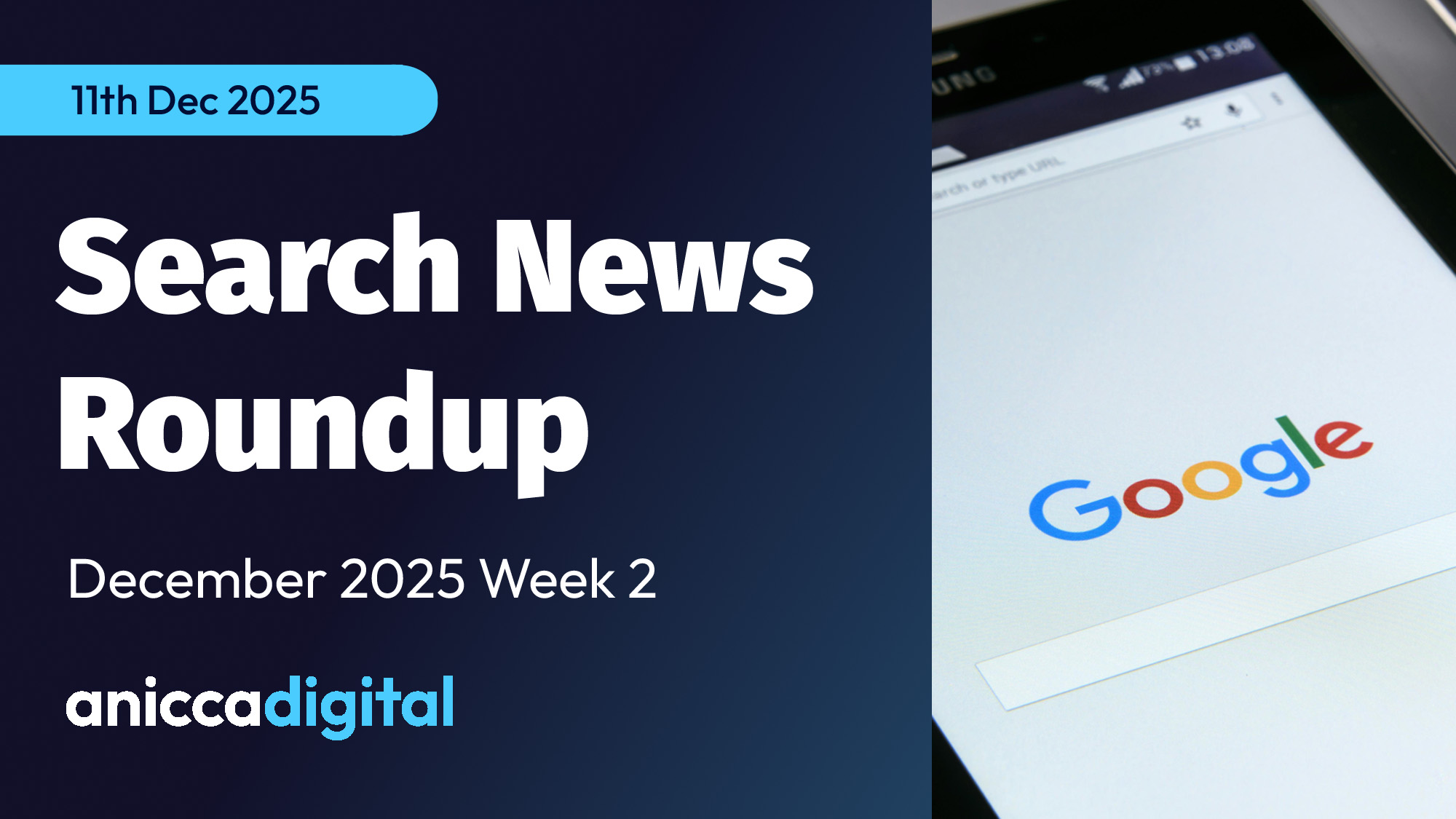
The search world has been busy. Google has confirmed a shift to continuous, unannounced core updates, Search Console now offers better data granularity, and AI partnerships with publishers are expanding. Meanwhile, regulators in the EU are asking tough questions, and platforms like YouTube and Bing are testing new ad features.
For digital marketers, the takeaway is clear: stay nimble, keep monitoring, and communicate openly with clients. Here’s what you need to know.
Google Confirms Smaller Core Updates Happen Continuously
Google has formally confirmed what many SEOs suspected: the algorithm now receives smaller core updates on an ongoing basis, rather than relying on the big, named updates we’ve tracked for years. This is a genuine shift in how Google operates. Ranking changes can now happen at any time, and improvements you make to content or technical SEO can show results within days or weeks rather than months.
What does this mean practically? You need ongoing site monitoring, solid analytics, and the ability to respond quickly when rankings shift. SEO strategies should be sustainable and focused on long-term quality rather than reacting to major update announcements that may never come.
For agencies, client communication needs to change too. The days of explaining volatility as the result of a specific named update are largely over. Instead, set expectations for ongoing fluctuations and reinforce why consistent investment in best practices matters. Transparent reporting and regular audits become even more important when changes can happen at any time.
Google Updates Docs: We Do Smaller Core Updates Without Announcements
Google’s documentation now explicitly states that smaller core updates happen regularly without public announcements. While this isn’t entirely new behaviour, having it formalised is helpful. The docs make clear that site owners who improve their content don’t need to wait for a major update to see positive effects.
This reinforces that SEO needs to be proactive, not reactive. You can’t afford to wait for Google’s next announcement before auditing sites or making improvements. Continuous monitoring, regular health checks, and sticking to best practices are essential. It also means those unexplained ranking shifts can now be more confidently attributed to these ongoing updates.
For client-facing teams, the documentation change gives you authoritative backing when explaining that SEO is an ongoing process. Regular communication about performance, combined with education on how algorithms evolve, will help build trust over time.
Google Search Console Adds Weekly & Monthly Views Granular Data
Search Console now offers weekly and monthly data views alongside the existing daily and 24-hour options. This lets you smooth out short-term noise and focus on broader trends, seasonality, and the impact of specific campaigns.
For practitioners, this is genuinely useful. It makes it easier to identify anomalies, benchmark performance, and evaluate optimisation efforts across different timeframes. If you’re managing multiple sites or large campaigns, you’ll find it simpler to set realistic KPIs and spot emerging trends before they become problems.
Update your reporting templates and dashboards to make use of the new views. Educate clients on how to interpret the data, and use the flexibility to tell clearer stories about performance over time.
Google Expands Preferred Sources & Publisher AI Partnerships
Google is rolling out its Preferred Sources feature globally for English users and launching pilot AI partnerships with major news publishers. Users can now customise Top Stories to see more from their chosen outlets, while the AI partnerships aim to improve the quality of content surfaced in search results and AI Overviews.
For SEO and content teams, this signals growing emphasis on authority and editorial standards. Aligning content with Google’s quality criteria becomes more important as AI-driven curation gains ground. Review your clients’ content strategies to ensure they meet evolving quality signals, and consider whether collaborations with recognised publishers could boost visibility.
The expansion of these partnerships represents a strategic shift in how Google manages misinformation and prioritises trustworthy content. Brands that invest in high editorial standards will be better positioned to benefit.
Google Hit By EU Probe Into Unfair Use Of Online Content
The EU has launched an antitrust investigation into Google’s use of online content, focusing on whether AI practices breach competition rules and unfairly leverage publisher material. The probe looks at how Google uses content in AI Overviews, the lack of compensation or opt-out mechanisms for publishers, and preferential access to YouTube content for AI training.
This could have significant implications. If the EU mandates changes to how Google displays or monetises third-party content, it could alter visibility, attribution, and revenue models across the digital ecosystem. Keep a close eye on how this develops and be prepared for potential shifts in content licensing requirements.
For agencies, this highlights the importance of regulatory awareness. Review content partnerships, ensure compliance with emerging standards, and maintain open communication with publishers and platforms. Being able to advise clients on regulatory impacts will help position your agency as a trusted partner.
YouTube Adds Comments To Shorts Ads, Expands To Mobile Web
YouTube has added comment sections to Shorts ads and expanded their reach to mobile web browsers. This brings Shorts ads closer to organic content, giving brands a new channel for direct interaction with viewers. Creators can also now link directly to brand websites from branded content.
For PPC and video marketing teams, this opens up new opportunities. Monitoring and responding to comments enables real-time reputation management and provides direct feedback on creative performance. Update your YouTube strategies to include comment moderation and use viewer input to refine messaging.
The expansion to mobile web also broadens potential audience reach. Educate clients on both the benefits and risks of open comments, including the need for moderation. The integration of direct links from branded content to websites highlights the convergence of content and commerce.
Google Ads Contact Us Support Tests Integrating Ads Advisor
Google is testing integration of its Ads Advisor tool into the Contact Us support page. The idea is to provide AI-powered recommendations and solutions before you need to escalate to human support. The Advisor checks issues, asks clarifying questions, and guides you through fixes directly within accounts.
For PPC teams, this should mean faster troubleshooting and quicker resolution of common issues. Getting familiar with the Ads Advisor will become increasingly useful, as it can help diagnose problems efficiently and free up time for strategic work.
That said, keep an eye on performance and make sure complex issues still get escalated to humans when needed. The tool is helpful but it’s not going to replace expertise for nuanced problems.
Bing Search Ads Tests Ad Labels On Right
Bing is experimenting with moving ad labels from the left to the right side of search ads. It seems like a minor visual change, but these tweaks can affect ad visibility, click behaviour, and campaign performance.
Monitor your Bing campaigns for changes in click-through rates and conversions during the test period. Communicate with clients about potential fluctuations and be ready to adjust creative or bidding strategies if needed.
Small interface changes can have outsized effects on user behaviour. Stay flexible and consider running your own tests to see what works best under the new layout.
Google Shopping Crawlers Are Too Fast For JavaScript Generated Structured Data
A Google engineer has clarified that Google Shopping crawlers often move too quickly to process structured data generated dynamically via JavaScript. Unlike the main Googlebot, the Shopping crawler prioritises speed to keep product data current. As a result, schema implemented client-side may be missed.
For ecommerce marketers and technical SEO specialists, this is important. Make sure all critical structured data is rendered server-side or otherwise accessible at crawl time. Audit your clients’ product pages and avoid relying solely on client-side JavaScript for schema. Missing structured data means missed opportunities for rich results.
Work closely with development teams to implement best practices. Proactive audits will help prevent visibility issues in an increasingly competitive ecommerce SEO landscape.
Google: Discover Minimally Aligned To Search Ranking
Google has clarified that Discover visibility and traditional search rankings are only minimally connected. Core updates may not significantly impact Discover traffic in the way many assumed. The factors driving Discover success are distinct, with greater emphasis on engaging, timely, and visually rich content.
This means you need a dedicated Discover strategy. Improving search rankings won’t automatically boost Discover visibility. Focus on creating content that’s visually appealing, newsworthy, and tailored to Discover users’ interests. Experiment with high-quality images and timely topics.
Treat Discover as a separate channel with its own optimisation requirements. For brands looking to expand reach, this represents a distinct opportunity worth pursuing.
Google Search Still Working On New Core Update; Update Should Be Soon
John Mueller has confirmed that the next core update is still being developed and should arrive soon, though timing remains uncertain. Core updates typically lead to significant ranking shifts and can have major impacts on visibility and traffic.
Use this time to review client sites for technical health, content quality, and adherence to Google’s guidelines. Set up monitoring to track performance before, during, and after the update. Proactive communication with clients about potential volatility is recommended.
Being prepared to adjust strategies based on what you observe will be essential. Regular audits and transparent reporting help clients navigate uncertainty and maintain confidence in your expertise.
Google Ads Offline Conversion Uploads Bug Being Worked On
Google has acknowledged a bug affecting offline conversion uploads, resulting in incomplete data in campaign reports. This can lead to inaccurate metrics, disrupt automated bidding, and hinder optimisation. Google is working on a fix, but manual reconciliation of conversion data may be necessary in the meantime.
Review recent uploads, communicate any discrepancies to clients, and adjust reporting to account for missing data. You may need to temporarily adjust bidding strategies or pause automated rules until the issue is resolved.
Keep clients informed with regular updates on the bug’s status and what you’re doing to mitigate impact. Monitor Google’s announcements for resolution timelines.
Google Ads Advisor References External Sources
Google’s Ads Advisor and Analytics Advisor tools now reference third-party external sources, expanding beyond Google’s own documentation. This gives advertisers access to a broader range of insights, industry expertise, and real-world case studies.
For PPC teams, this can lead to more informed decisions and better campaign performance. Encourage team members to consult the tool regularly for actionable tips and to stay current on evolving strategies.
The inclusion of external sources reflects Google’s recognition that community knowledge and industry best practices have value. Teams that integrate these insights into their workflows will be better equipped to deliver results.
Google: Ads Are Not Coming To The Gemini App
Google’s VP of Global Ads has confirmed there are no current plans to introduce ads to the Gemini app, countering recent speculation. This gives marketers clarity and allows focus on existing platforms.
There’s no need to prepare for imminent changes in Gemini’s advertising landscape. Keep optimising campaigns across established channels like Search, YouTube, and Display. Continue monitoring announcements for any future changes, but for now the status quo holds.
Staying informed about Google’s product roadmap helps with accurate planning and client communication. Make sure media budgets are allocated to platforms with proven reach and ROI.
Study: Google Ads AI Max “Broad-Matchifies” Exact Match & Phrase Match
A study has found that Google Ads’ AI Max feature effectively broadens the targeting of exact and phrase match keywords, making them behave more like broad match. While this can increase reach and impressions, it may reduce targeting precision and impact ROI. The study observed AI Max expanding exact match to related but categorically different terms, sometimes including competitor brands.
Monitor keyword performance closely when using AI Max. Review search term reports regularly, adjust negative keywords, and refine match type strategies to maintain control. Be transparent with clients about potential changes in reach and efficiency, particularly for campaigns focused on brand protection.
Balance the benefits of increased reach against risks of reduced relevance. Test AI features in controlled environments before scaling across accounts.
Google Search and SEO WebmasterWorld: December 2025 Google Search Observations
The latest WebmasterWorld thread collects real-world experiences from webmasters, highlighting ongoing ranking volatility and indexing anomalies in December 2025. Contributors report significant traffic drops, increased bot activity, and chaotic SERP behaviour. Some sites have seen sharp declines in both organic visibility and ad revenue.
While not official Google communication, these community discussions offer early warning signals of unannounced updates or technical issues. Monitoring forums like this can help identify broader trends and validate what you’re seeing on individual sites.
The volatility reported underscores the need for resilience. Maintain robust monitoring, conduct regular audits, and be ready to adapt. Sharing community insights with clients helps contextualise performance fluctuations.
I Ran an AI Misinformation Experiment. Every Marketer Should See the Results
Ahrefs ran an experiment measuring how AI-generated misinformation impacts brand reputation. By creating a fake brand and seeding conflicting stories across the web, they found that AI tools often propagate false information, sometimes preferring detailed fiction over official sources. Platforms like Reddit and Medium were frequently cited as authoritative even when spreading inaccuracies.
For marketers, this highlights the urgent need for reputation management in AI-driven search. Monitor brand mentions, correct inaccuracies quickly, and publish detailed official content like FAQs and data pages to protect brand integrity. Educate clients about misinformation risks and invest in tools that track negative or false content.
Brands must fill information gaps with specific, verifiable content and monitor how different AI models represent them. Developing rapid response protocols will help safeguard reputations and maintain control over digital narratives.
10 ChatGPT SEO Tools That Help You Rank Higher
Ahrefs has compiled ten ChatGPT-powered SEO tools for keyword research, content creation, technical audits, and on-page optimisation. These tools automate repetitive tasks, generate content briefs, analyse structured data, and provide actionable insights. Integrations with platforms like Ahrefs, Google Analytics, and AlsoAsked enable real-time analysis and workflow automation.
Incorporating these tools can boost efficiency and scale optimisation efforts across multiple sites. They’re particularly useful for content gap analysis, technical audits, and international SEO, letting practitioners focus on strategic decisions and creative execution.
Experiment with these tools to identify which deliver the greatest impact. Invest in team training and continuously evaluate new technologies as they emerge. AI-powered tools will be a key differentiator for agencies seeking to deliver superior results.
Did We Pass Peak AIO? Whiteboard Friday
Moz’s Whiteboard Friday explores whether we’ve reached “peak AI Overviews” and what this means going forward. The analysis shows a recent decline in AI Overview frequency for informational queries and a trend towards AIO results appearing below position one. Hybrid SERP features like Web Guides, blending organic results with AI content, are also emerging.
These trends suggest the impact of AI Overviews on organic visibility may be stabilising or even receding in some cases. Diversify content strategies, focus on unique value propositions, and monitor how AI Overviews affect click-through rates. Prepare clients for ongoing SERP changes and consider new optimisation tactics beyond traditional ranking factors.
Stay informed about SERP developments and maintain open communication with clients. By staying ahead of these changes, agencies can help clients maintain visibility in an increasingly complex search environment.
Strategic Outlook: Navigating the Future of Search Marketing
The latest developments signal a period of real change for digital marketers. Continuous algorithm updates, better data tools, and growing AI influence are reshaping the landscape. Regulatory scrutiny and platform experimentation are introducing new risks alongside new opportunities.
To succeed, agencies and brands need to embrace agility, invest in solid monitoring and reporting, and communicate openly with clients. Success will depend on adapting to continuous change, using AI tools effectively, and maintaining focus on quality, authority, and user experience.
Agencies that build cultures of learning, experimentation, and proactive risk management will be best positioned to deliver value. As search continues to evolve, strategic thinking and operational excellence will separate the leaders from the rest.