The Future of PPC: Getting More From Google Shopping in the AI Era
The paid advertising landscape is transforming rapidly. AI, automation, and shifting consumer behaviour are rewriting the rules of ecommerce advertising, and marketers who don’t adapt risk being left behind.
At Anicca Digital, we’re focused on helping our clients navigate these changes whilst maximising returns from their existing campaigns. Our head of paid media recently explored the practical realities of Google Shopping optimisation alongside insights from our agency partner at Product Hero, and what emerged was a clear roadmap for success in this evolving environment.
The fundamentals still matter enormously. But the way we apply them is changing, and new opportunities are emerging that forward-thinking advertisers can capitalise on right now.
Understanding Google Shopping: The Basics Matter
Before diving into advanced strategies, it’s worth ensuring everyone understands what Google Shopping actually is and how it functions.
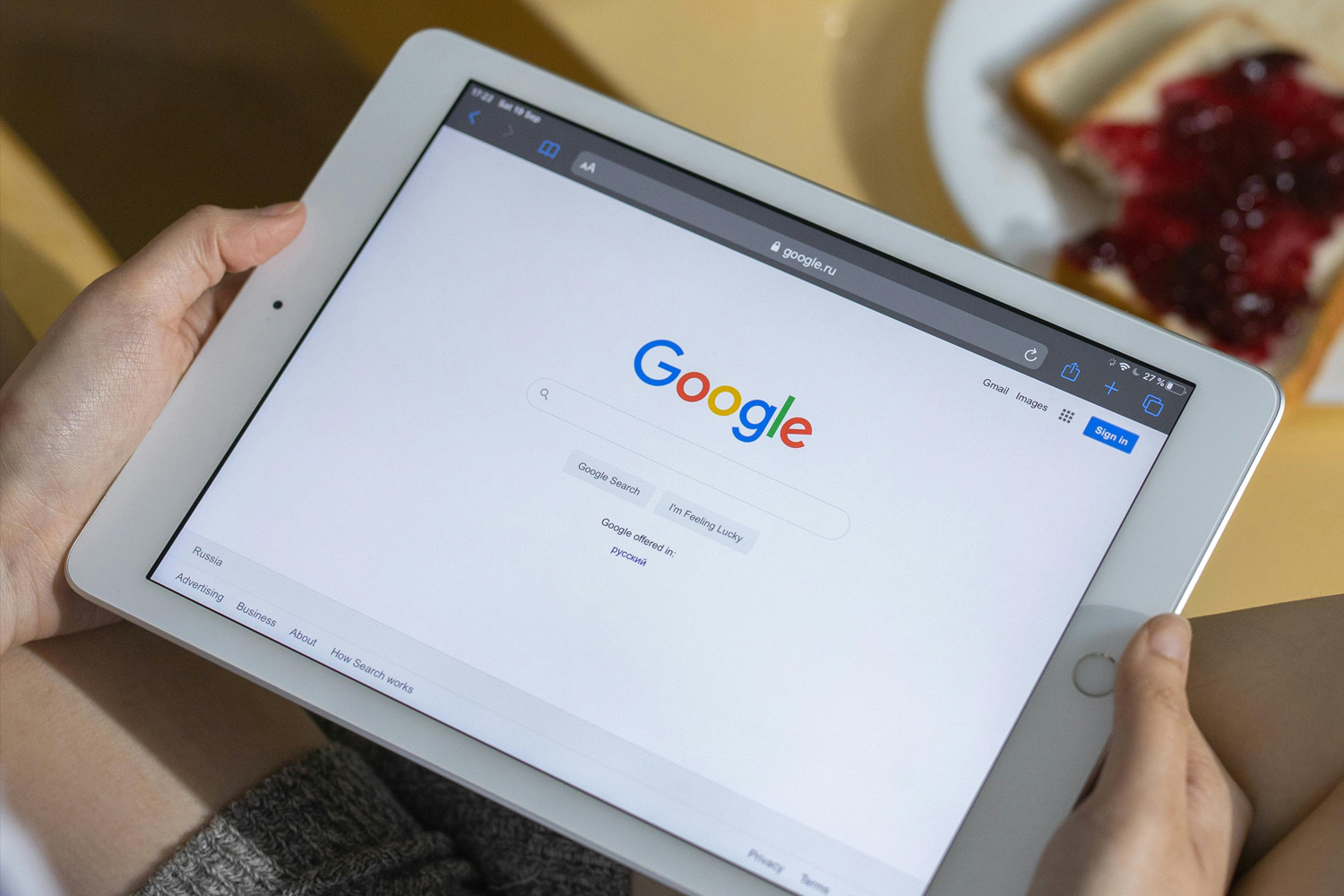
Google Shopping ads are product-based advertisements that appear with an image of your product, the price, and the product title. They typically appear at the top of search results in a carousel format that users can scroll through, though positioning is shifting with the introduction of AI overviews and AI mode.
These ads also appear in Google’s dedicated Shopping tab, which users can access alongside the standard search results, images, and maps tabs.
The technical foundation is the Google Shopping feed, which pulls data directly from your website. All products listed on your site, depending on how you configure it, flow into your Shopping feed, which connects to Google Ads and distributes your products as shopping ads.
This feed is built from product attributes, which include everything from product titles to colour, material, size, images, and pricing. Every piece of product information is an attribute, and collectively these attributes determine how discoverable and effective your shopping ads are.
The Critical Importance of Product Titles
The product title is arguably the most important attribute in your entire feed. When users perform a search, the title is what they see alongside the image. It’s their primary tool for determining whether your product matches what they’re looking for.
Title structure matters enormously because of how shopping ads display. On mobile devices especially, only a small snippet of the product title appears initially. Even when users hover or expand, full titles often get truncated.
This creates a critical challenge: if a user searches for “New Balance trainers” and can’t immediately see “New Balance” in the visible portion of your title, you’ve created a disconnect between their search intent and your ad. That disconnect reduces click-through rates and wastes ad spend.
Title structure depends heavily on product category and user behaviour. Different products warrant different approaches because users assign different importance to various attributes.
For footwear, brand is typically crucial, especially in sportswear. Users searching for specific brands expect to see that brand name prominently displayed. Gender is also important, followed by product type (which should appear in every title, as it literally tells customers what the product is).
Key features come next. For trainers, this might be “lightweight” or another functional characteristic users frequently search for. Then you consider attributes like colour, size, and material, weighted by importance and search behaviour.
For furniture, the hierarchy might look different. Brand may be less important, with users more open to various options. Product type remains essential, but other attributes like material, style, or dimensions might take precedence over brand identity.
There’s no one-size-fits-all approach. If you’re selling multiple product categories, you’ll likely need different title structures across those categories. Think carefully about what matters most to users searching for your specific products.
Optimising Feeds for User Searches
Making your products discoverable when customers search requires thoughtful feed optimisation that goes beyond just filling in required fields.
The goal is appearing in more relevant searches, not just more searches generally. Relevance drives quality traffic, which drives conversions.
Product titles should incorporate terms users actually search for. This requires understanding search behaviour in your category. What language do customers use? What attributes do they specify? Are they searching by brand, by feature, by use case?
Incorporating these search terms naturally into your title structure improves matching between user queries and your ads. But remember the truncation issue, keep the most important, most-searched terms at the beginning of your title.
Beyond titles, other attributes contribute to discoverability. Product type, category, colour, size, material, all these help Google understand what you’re selling and match your products to relevant searches.
The more complete and accurate your product attributes, the better Google can surface your products for appropriate searches. Incomplete feeds limit your reach unnecessarily.
Structuring Campaigns for Performance
How you structure your shopping campaigns directly impacts your ability to optimise performance and allocate budget effectively.
The product feed doesn’t just determine what appears in your ads, it’s also the foundation for campaign structure. Using feed attributes strategically allows you to segment products in ways that enable granular control over bidding, budget allocation, and performance monitoring.
You can structure campaigns by product category, margin level, bestsellers versus long-tail products, seasonal versus year-round items, or any other segmentation that aligns with your business priorities.
This segmentation matters because different products warrant different bidding strategies and budget allocations. Your bestsellers might justify aggressive bidding to maintain visibility, whilst experimental products need lower bids and limited budget to test demand without excessive risk.
Proper campaign structure also enables clearer performance analysis. When campaigns are organised logically around business-relevant segments, identifying what’s working and what isn’t becomes straightforward.
Leveraging AI and Automation
AI and automation aren’t replacing skilled advertisers, but they are changing what tasks deserve human attention versus automated handling.
Google’s automated bidding strategies can optimise towards specific goals like target ROAS or maximising conversion value. These algorithms process vast amounts of data and make real-time bid adjustments that would be impossible manually.
However, automation works best when fed high-quality data and appropriate constraints. Your job shifts from manual bid management to strategic oversight, setting the right targets, monitoring for anomalies, and adjusting strategy based on business needs rather than tactical bid tweaks.
Feed automation can also streamline operations significantly. Tools exist to automatically enhance product titles based on search term performance, adjust attributes based on inventory levels, and flag products with incomplete or problematic data.
The key is using automation to handle repetitive, data-intensive tasks whilst you focus on strategy, creative, and business decisions that genuinely require human judgment.
The Emerging AI Overview Challenge
AI overviews in Google search represent a significant shift that’s still in early stages but demands attention now.
Google had to respond to ChatGPT taking away initial searches by introducing AI mode and AI overviews. Recently, they’ve begun showing paid ads within AI overviews, making this placement increasingly important for advertisers.
This development changes optimisation priorities. Product feeds remain crucial, but landing pages are gaining importance as AI systems assess whether the intent matches the information on your pages.
The AI overview is showing users more information about how they can make product choices and what products best match their needs. Your optimisation must account for this AI-mediated discovery process, not just traditional search result page dynamics.
Ensuring your landing pages clearly articulate product benefits, uses, and differentiators helps AI systems understand and potentially recommend your products within overviews.
Shopping ads will remain prominent because they drive substantial revenue for Google. But how they’re integrated within AI overviews will continue evolving, requiring ongoing adaptation of optimisation approaches.
Campaign Type Considerations for AI Placements
Not all campaign types are eligible for AI overview placements, which affects strategic planning.
Performance Max campaigns are automatically included in AI overview placements. For search campaigns, eligibility requires using broad match keywords. Standard shopping campaigns are eligible but only for specific searches.
This eligibility structure pushes advertisers towards campaign types that Google favours, particularly Performance Max. Understanding these mechanics helps you make informed decisions about campaign type allocation and testing.
As AI overview placements expand, campaign type strategy will become increasingly important for ensuring visibility in these new environments.
The ChatGPT Shopping Phenomenon
ChatGPT’s integration with Shopify and emergence as a shopping assistant represents another significant development, though its immediate impact varies by market.
Some businesses are seeing orders coming through ChatGPT referrals, raising questions about whether this might eventually replace Google Ads.
The data provides perspective. In the UK, Google still commands over 90% of search traffic. In the United States, that figure is closer to 75%, showing more competition but still dominant Google presence.
Whilst ChatGPT has gained traction, it hasn’t made up the difference in Google’s traffic decline. AI overviews within Google itself and platforms like TikTok Shop have likely had more impact on traditional search traffic than ChatGPT referrals.
Currently, the ChatGPT and Shopify partnership isn’t ad-enabled. It functions as an SEO channel, with products discoverable organically rather than through paid placement. One client mentioned being able to toggle this functionality on and off within Shopify settings.
Whether ChatGPT eventually builds advertising into its shopping functionality remains to be seen. If it does, it could create a new paid channel worth testing. But for now, it’s an organic discovery channel that rewards good product information rather than paid visibility.
AI Agents and Autonomous Shopping
Beyond ChatGPT’s current shopping features, a more significant development looms: AI agents capable of autonomous shopping on behalf of users.
ChatGPT’s agent mode and similar developments from other AI platforms suggest a future where users delegate shopping tasks to AI assistants. “Find me the best wireless headphones under £100 and order them” becomes a realistic command.
This shift has profound implications for how products need to be presented, described, and structured online. AI agents evaluating products on your behalf will prioritise different signals than human shoppers browsing search results.
Clear, structured product information becomes even more critical. AI agents need to quickly parse specifications, compare options, and assess value. Products with ambiguous descriptions or missing attributes will be disadvantaged in AI-mediated shopping.
This also raises questions about loyalty and brand preference. If an AI agent is making purchase decisions based on optimal value matching, brand loyalty diminishes as a factor unless explicitly programmed by the user.
Preparing for this future means ensuring your product information is not just human-readable but AI-parseable. Structured data, complete attributes, and clear value propositions matter more than ever.
Landing Page Optimisation in the AI Era
Landing pages are gaining importance as AI systems increasingly mediate between search intent and purchase decisions.
The traditional model of driving clicks to product pages focused on conversion optimisation for human visitors. The emerging model requires product pages that function almost like homepages, providing comprehensive information and context that both humans and AI systems can easily understand and evaluate.
This means including more information directly on product pages rather than requiring users to navigate elsewhere. Alternative products, detailed specifications, use cases, comparison information, all of this content helps both human visitors and AI systems assess fit and value.
From an SEO perspective, enriching product pages with attributes feeds into schema markup, which Google uses for matching in free listings as well as paid placements. This creates compounding benefits, your paid performance improves whilst organic discoverability increases.
The more attributes you can include on pages and in schema, the better Google can match your products to relevant searches across both organic and paid channels.
Schema and Structured Data
Schema markup deserves specific attention because it directly influences both SEO and paid advertising performance.
When product attributes exist in your schema, Google can utilise them for matching products to searches in free listings. This organic visibility complements your paid shopping campaigns, potentially reducing overall customer acquisition costs.
Implementing comprehensive schema for products isn’t just an SEO task, it’s a holistic ecommerce optimisation priority that impacts multiple channels simultaneously.
Product schema should include all relevant attributes: name, description, image, price, availability, brand, colour, material, dimensions, whatever attributes matter for your products. The more complete your schema, the better Google understands what you’re selling.
Practical Implementation Steps
Translating strategy into action requires systematic approach to feed and campaign optimisation.
Start with a feed audit. Review your product titles for structure and relevance. Are the most important attributes visible in the truncated view? Do titles match how users actually search?
Check attribute completeness. How many products have full colour, material, size, and other relevant attributes populated? Incomplete attributes limit matching and segmentation capabilities.
Implement title optimisation based on product category requirements. Create templates that ensure consistent, strategic title structure across your catalogue.
Segment campaigns based on business priorities. High-margin products, bestsellers, seasonal items, new launches, structure campaigns around segments that warrant different bidding and budget strategies.
Test automated bidding strategies where appropriate. Smart Bidding can optimise performance once campaigns have sufficient data, but monitor closely during learning phases.
Enrich landing pages with comprehensive product information, comparison data, and clear value propositions. Make pages useful for both human visitors and AI systems evaluating product fit.
Implement or enhance product schema to ensure Google has structured access to all product attributes.
Measuring Success
Optimisation requires clear metrics and consistent monitoring.
Track impression share to understand visibility relative to potential. Low impression share indicates either budget constraints or relevance issues preventing your ads from showing.
Monitor click-through rates by product segment. Low CTRs suggest title or image issues creating disconnect between search intent and ad presentation.
Assess conversion rates and ROAS by campaign structure. This reveals which product segments and strategies deliver strongest returns, informing budget allocation decisions.
Watch for changes in competitive landscape. Shopping is highly competitive, and relative performance matters as much as absolute metrics.
Looking Ahead
The PPC landscape will continue evolving as AI capabilities expand and consumer behaviour shifts.
AI overviews will become more sophisticated, requiring ongoing adaptation of optimisation approaches. Products need to be presented in ways that AI systems can effectively evaluate and recommend.
AI agents will increasingly mediate shopping decisions, prioritising structured information and clear value propositions over traditional brand marketing.
New advertising channels may emerge as platforms like ChatGPT potentially introduce paid placements alongside organic shopping functionality.
The fundamentals remain constant: understand your customers, present products clearly, optimise based on data, test continuously. But the execution of these fundamentals must evolve with the changing technological and competitive environment.
The Anicca Approach
We’re committed to staying ahead of these shifts whilst maintaining focus on what actually drives results for our clients.
This means testing new opportunities early, implementing AI and automation strategically rather than reflexively, maintaining rigorous optimisation disciplines around feeds and campaigns, and adapting strategies based on emerging data rather than speculation.
The paid media landscape is more complex than ever, but also more opportunity-rich for advertisers who combine strategic thinking with tactical excellence.
For more information on paid media or ecommerce strategies, contact Anicca Digital today. We’re here to help you maximise performance during the busiest shopping season of the year.